
High-altitude lakes, ancient monasteries and the world's highest motorable passes — Ladakh is a bucket-list Himalayan journey.

Leh Ladakh, tucked away in the northernmost part of India, is one of the most breathtaking high-altitude destinations in the world. Known for its stark cold-desert landscapes, turquoise lakes, snow-capped passes and centuries-old Buddhist monasteries, Ladakh attracts thousands of travellers every year who want an experience that feels completely different from a typical hill-station holiday. Whether you are planning a road trip from Leh, a bike expedition over the high passes, or a relaxed sightseeing tour with family, this guide covers the top places to visit in Leh Ladakh so you can plan your itinerary with ease.
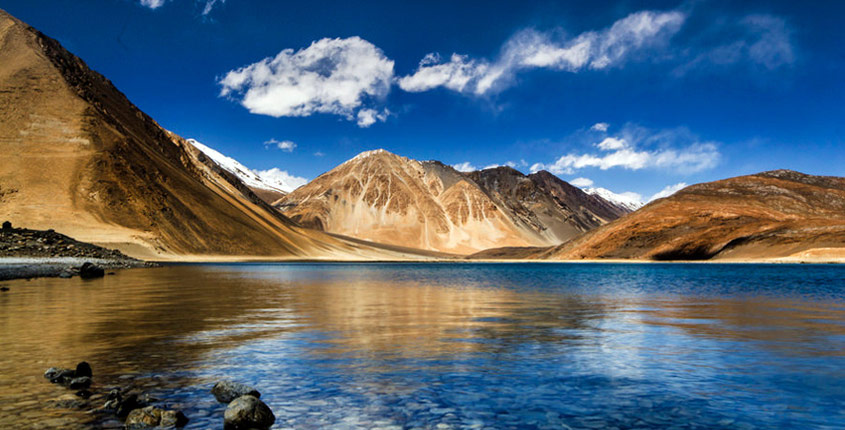
Pangong Tso is undoubtedly the most photographed lake in Ladakh. Sitting at an altitude of over 14,000 feet and stretching nearly 135 km with almost two-thirds of it lying in Tibet, the lake changes colour throughout the day, from deep blue to turquoise green. A visit here usually takes a full day from Leh, and an overnight stay at one of the lakeside camps lets you catch a magical sunrise over the water.
Reached via Khardung La, Nubra Valley is a surreal cold desert with rolling sand dunes set against a backdrop of snow-covered peaks. Hunder village is the best spot for a double-humped Bactrian camel ride, and the valley's monasteries and green patches along the Shyok and Nubra rivers make it a favourite for photography and overnight stays.
Once believed to be the highest motorable pass in the world, Khardung La is a rite of passage for every Ladakh traveller. The pass connects Leh to the Nubra and Shyok valleys and offers sweeping views of the Karakoram range. Warm clothing and a bit of altitude caution are recommended, as the thin air here can affect first-time high-altitude travellers.
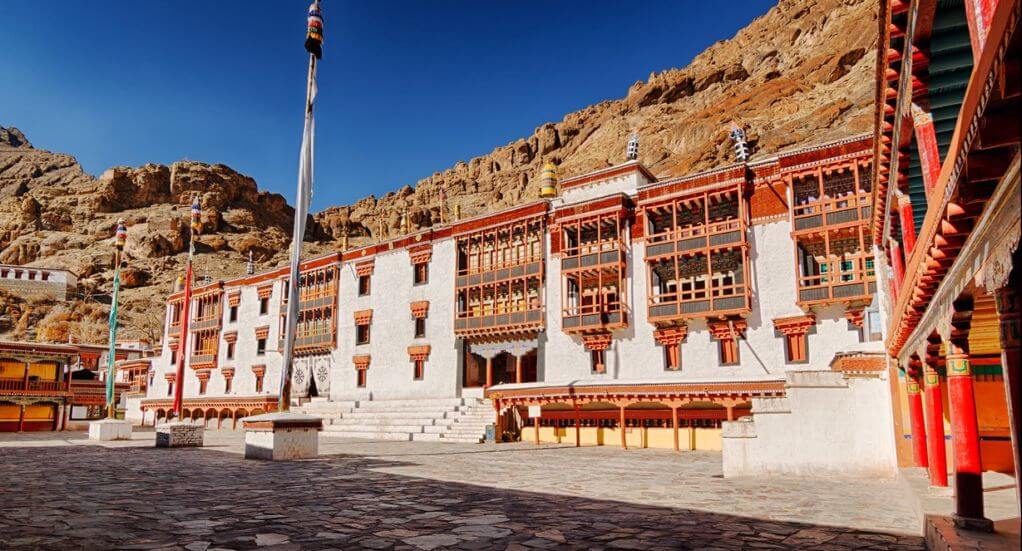
Hemis is the largest and richest monastery in Ladakh, belonging to the Drukpa lineage of Tibetan Buddhism. It houses valuable thangkas, ancient scriptures and gold statues, and comes alive every June or July during the colourful Hemis Festival, which recreates the victory of good over evil through masked Cham dances.
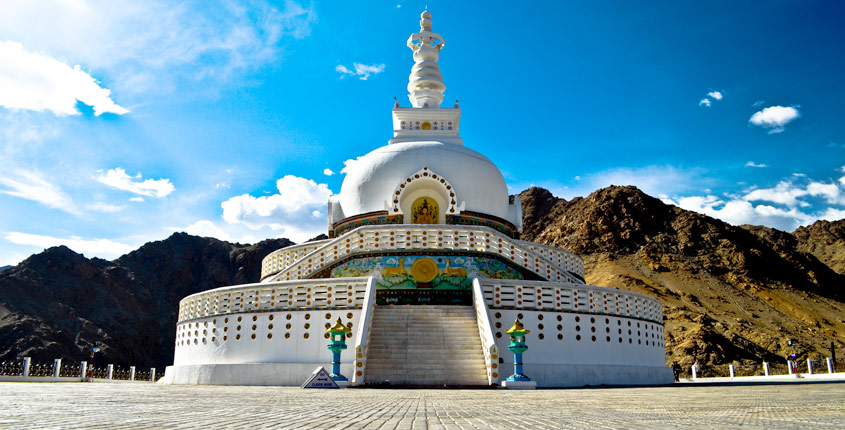
Built by Japanese Buddhist monks, the white-domed Shanti Stupa sits on a hilltop overlooking Leh town and the Indus valley. It's one of the easiest spots to access from the town centre and is best visited early morning or at sunset when the changing light over the surrounding mountains is at its most dramatic.
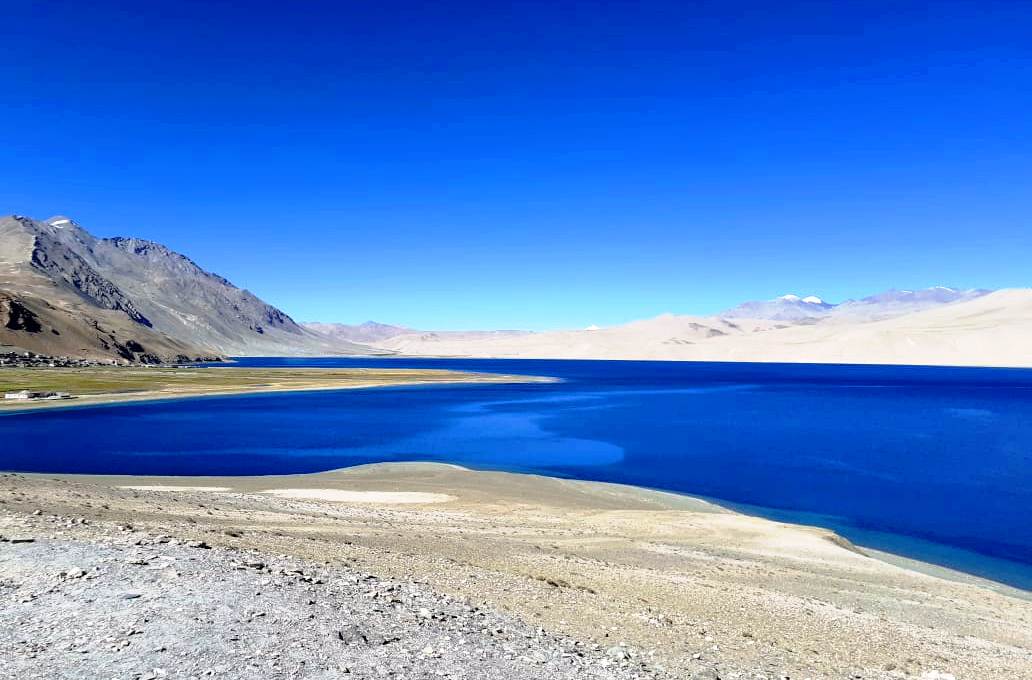
Less crowded than Pangong but equally stunning, Tso Moriri is a protected Ramsar wetland site located deep in the Changthang plateau. Its remote location keeps tourist footfall low, making it ideal for travellers who want a quieter, more nature-focused experience along with a chance to spot black-necked cranes and Kiang (wild ass).
The Leh-Ladakh region is best visited between May and September when the Manali–Leh and Srinagar–Leh highways are open and most high passes are accessible. Winters bring extreme cold and heavy snowfall that cuts off road access, though the frozen Chadar trek in January and February attracts a niche crowd of adventure travellers.
Hire Himachal Cab offers customised Leh Ladakh tour packages covering Pangong Lake, Nubra Valley, Khardung La, Hemis Monastery, Shanti Stupa and Tso Moriri, with comfortable vehicles and experienced local drivers who know the mountain routes well. Get in touch on WhatsApp for a personalised itinerary and the best price quote.
Get a customized itinerary & best price quote within minutes on WhatsApp
Chat on WhatsAppOur team replies within 2 hours — chat with us on WhatsApp